What a Shabbat dinner in Jerusalem taught us about the holy Jewish tradition
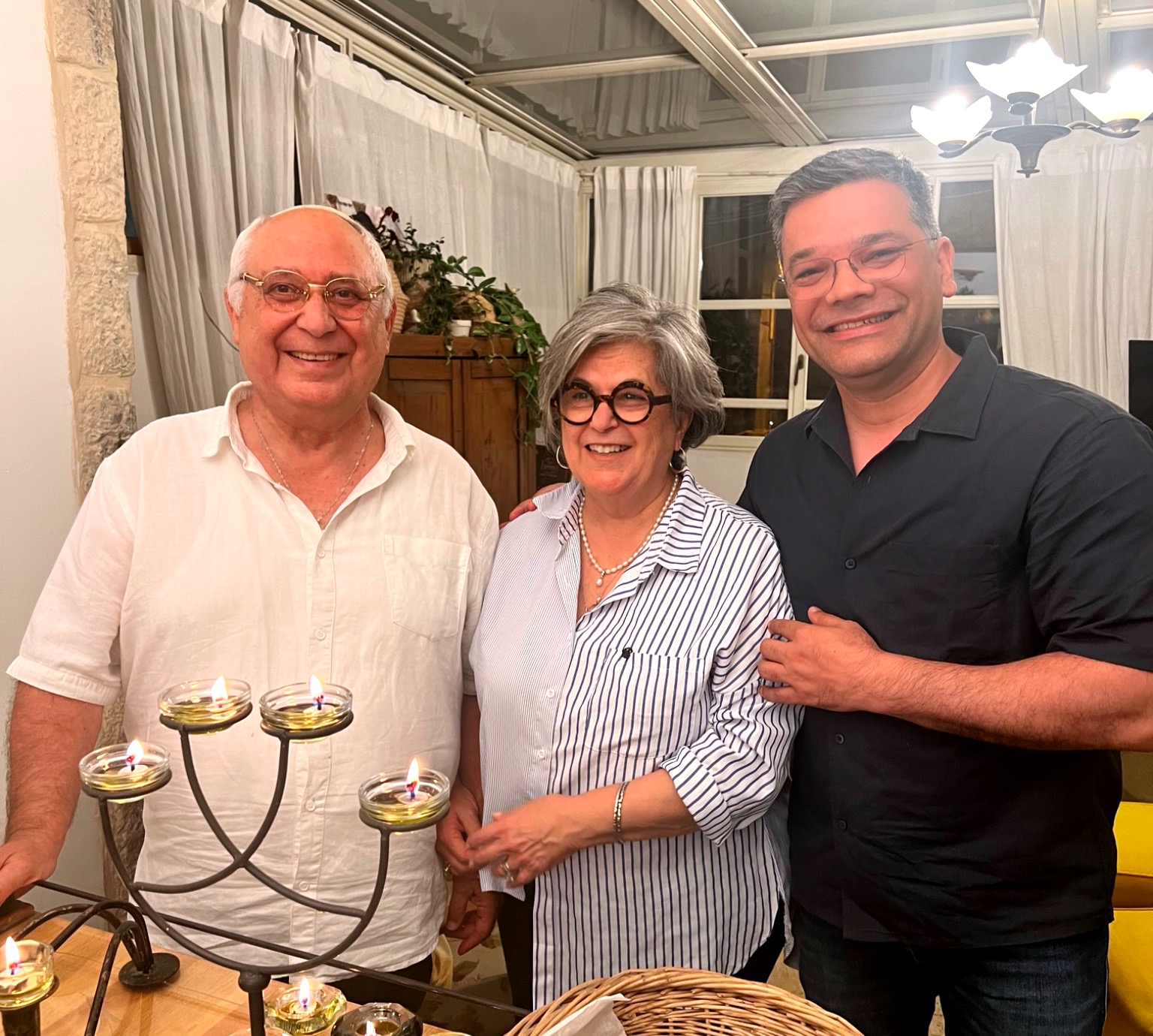
We were on a culinary tour through Israel, tasting our way across a landscape of intense flavors, when we arrived at the most anticipated stop on our itinerary. We had been invited to a Friday night Shabbat dinner at the Jerusalem home of a lovely couple, Rachel and Eliyahu.
We knew the evening would involve food. What we also got to know was the profound significance of Shabbat. We did not learn this from a guidebook; we learned it by sitting at their table and watching a centuries-old ritual unfold. Of everything we ate, saw, and experienced on our journey through Israel, that Shabbat meal remains our fondest memory.
What is Shabbat
Shabbat runs from Friday sunset to Saturday nightfall. It marks the day God rested after creation, and for observant families, it is a weekly sanctuary. At its core, the day requires a total cessation from melacha, a Hebrew term translated as "work" but more accurately defined as creative, productive labour.
Jewish law outlines 39 distinct categories of prohibited labour, including writing, tearing, and kindling a fire, ancient rules that modern rabbinic authorities apply directly to everything from using a food processor, to flipping electrical switches, driving cars, and operating smartphones. To an outsider, it can seem like a maze of restriction. Yet, it is not an act of laziness, but a deliberate pause, a choice to stop reshaping the world for 24 hours and simply live within it. Far from idle slacking, refraining from melacha is a disciplined strike against the rigours of constant production in our modern life.
This dinner prepared us for what we saw the next day and made us deeply respectful of these traditions. At our hotel and nearby coffee shops the next morning, the espresso machines sat switched off and silent. Many people avoided using cars to drive long distances, choosing instead to walk to nearby parks or to meet friends. In homes, virtual games were replaced by traditional board games. Nothing was broken. Shabbat had arrived, and everyone had quietly adapted to it.
The Evening Ritual
Because lighting a flame is forbidden once the sun goes down, all cooking for Friday and Saturday must be completed before Friday evening. As dusk settled over the streets of Jerusalem, Eliyahu departed for Kabbalat Shabbat, an evening prayer service where congregational hymns greet the Shabbat as a metaphorical bride.
Inside the apartment, the atmosphere transformed. Rachel had lit the traditional Shabbat candles just before sunset, marking an end to a hectic workweek and the beginning of a holy day. The dining table was set with a sense of abundance; fresh flowers and vibrant green leaves were tucked between the tableware, acting as a visual prayer for prosperity and growth in the week ahead.
When Eliyahu returned, the rituals began. He chanted the Kiddush, a blessing over a cup of kosher wine that sanctifies the day and recalls both the creation of the universe and the Exodus from Egypt. Next came the blessing over two braided loaves of challah bread. The twin loaves represent the double portion of manna that fell from heaven every Friday during the Israelites' desert wanderings, ensuring they would not have to labor on the day of rest. We began the feast by taking a piece of challah and dipping it in salt.
A Sephardic Shabbat Feast
What followed was an extraordinary procession of food steeped in North African and Sephardic Jewish traditions, a culinary heritage that forms an important part of Jerusalem's culture.
The meal opened with an expansive mezze of salads. There was Salata Koucha, a traditional Moroccan cooked tomato and pepper salad, sitting alongside zaalouk, a rich dish of roasted eggplant, bell peppers, and tomatoes crushed with garlic and olive oil. We passed bowls of bright carrot salad, sweet-and-sour beetroot salad with a pomegranate dressing, a crisp green lettuce salad with basil dressing, and a cabbage salad tossed with cranberries and walnuts. A fascinating standout was a sabich-inspired dip: an incredibly creamy, velvety hummus uniquely made from red lentils, tahini, and olive oil, served with tender eggplant and scooped up with mini Shabbat challah rolls.
Next came the starters: a rich salmon cooked with mixed vegetables in a spicy Moroccan sauce, and pieces of crispy fried cod brightened with fresh lemon.
The main courses arrived in a steady, aromatic parade, showing the impressive diversity of regional Jewish cooking. There was a hearty Osso Buco—a delightful meat preparation braised with root vegetables—followed by a classic chicken sofrito, a slow-cooked chicken casserole rich with caramelized onions and potatoes. The vegetable dish, turlu, a traditional Turkish baked vegetable casserole swimming in a rich tomato sauce, was as savory and satisfying as any meat dish.
But the true centerpieces were the stuffed delicacies. Rachel presented a magnificent stuffed grape leaves "cake," consisting of layers of grape leaves filled with herb-infused rice, decorated with sliced apples and dried plums in a sweet-and-sour style. Alongside it sat stuffed cabbage leaves filled with rice in a tangy tomato glaze, and what the family called stuffed onion "candies", delicate onion parcels filled with savory minced meat and pine nuts, served in a glossy, dark sauce of pomegranate molasses and date syrup.
Knowing that Rachel had spent her afternoon preparing this feast, and that every single layer of flavour had been locked in before the first candle was lit, made this meal truly special. It was a masterclass in culinary choreography, executed without a single match being lit after dusk.
Even dessert adhered to the laws of the day, featuring homemade vanilla ice cream crafted parve(completely dairy-free) so it could be eaten safely after a meat meal, alongside a decadent chocolate fudge, a classic upside-down caramelized apple tarte tatin, and glass mugs of steaming fresh-mint herbal tea.
The Meaning of Shabbat Shalom
Throughout our time in Israel, we had heard the phrase "Shabbat Shalom" echoing across marketplaces, hotel lobbies, and street corners. Meaning "a peaceful Shabbat," it is the universal Jewish greeting of the weekend.
But spending those hours inside Rachel and Eliyahu's home changed the phrase for us. Watching a family actively choose to unplug their phones, park their cars, and anchor themselves entirely to a table set with meticulous love gave a whole new meaning to the greeting. Shabbat Shalom will no longer sound like a casual salutation; it will always remind us of the loving, peaceful feast we witnessed.
Post a comment